
Yesterday, I watched the movie Into the Wild with my boyfriend. The film was released 19 years ago and is based on the true story of Christopher Johnson McCandless, an American adventurer who sought a nomadic lifestyle as he grew older. He later died of starvation in Alaska, alone and isolated from society. If you’ve never heard of him before, you can check out his this wikipedia page.
Into the Wild is a movie based on the book of the same name by Jon Krakauer. It tells the story of Chris after he graduates from university. He donates the $24,000 in his trust fund to Oxfam, burns the cash he has left along with his identification papers, abandons his car, cuts off contact with his family, and begins traveling across North America. He adopts a vagabond lifestyle, working only when necessary as a restaurant cook and farmhand. Eventually, he sets out for Alaska, where he hopes to fulfill his lifelong dream of living in the wilderness, completely cut off from human society. There, he realizes many life lessons before ultimately dying of starvation.
This is a tragic story, but through the writing of Jon Krakauer and the direction of the film, Chris’s character takes the audience through many layers of emotion. We resonate with his desire to escape modern society, are charmed by his sincere interactions with the people he meets, and then become troubled by his life choices and philosophy. In the end, everyone walks away with their own interpretation of the story, but it’s undeniable that the film leaves a lasting impression in its own way.
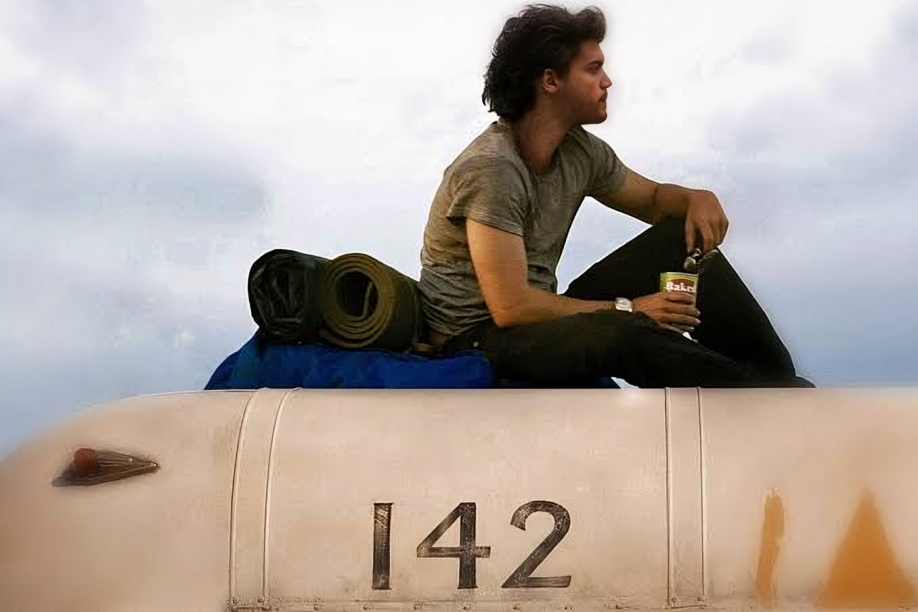
Although opinions about Chris’s story vary, they generally fall into two sides. Some people think he was arrogant and foolish to risk his life like that, while others see his decision to leave everything behind and live in the wilderness as brave and inspirational. My boyfriend and I each fall on opposite sides of this discussion. I’m writing this blog to share my own perspective, so naturally it carries some bias. If you haven’t seen the film, I highly recommend giving it a watch, it’s an excellent movie with an amazing soundtrack. And if you’ve already seen it, feel free to share your thoughts about its central message in the comments.
Chris is an arrogant, delusional, and spoiled kid who risked his life for nothing.
This is a common opinion on the internet. Many people believe McCandless was foolish to enter the Alaskan wilderness so unprepared, since his death could have been easily prevented, if he had been humble enough to take survival training or simply bring a map with him. He ignored the warnings of the people he met along the way, as well as the advice of the locals in Alaska, who actually had experience living in that environment. He set out on the adventure completely alone, disregarding everyone who told him it was a terrible idea.
I have to admit, I resonate with this opinion to a certain extent. Toward the end of the film, I found myself deeply bothered by his choices. While living alone in the wilderness, he recalls the memories of his journey and the people he met along the way. Many of those encounters became meaningful connections. He genuinely enjoyed being with them, touched their lives, and even changed some of them for the better. Yet whenever someone grew close to him or showed him love, he would move on to the next destination. Chris clearly struggled with attachment and intimacy, constantly pushing away the people who sincerely cared about him, or trying to run from that closeness. This is understandable, considering he grew up in an abusive household where, despite his family’s wealth, he never truly received love from his parents.
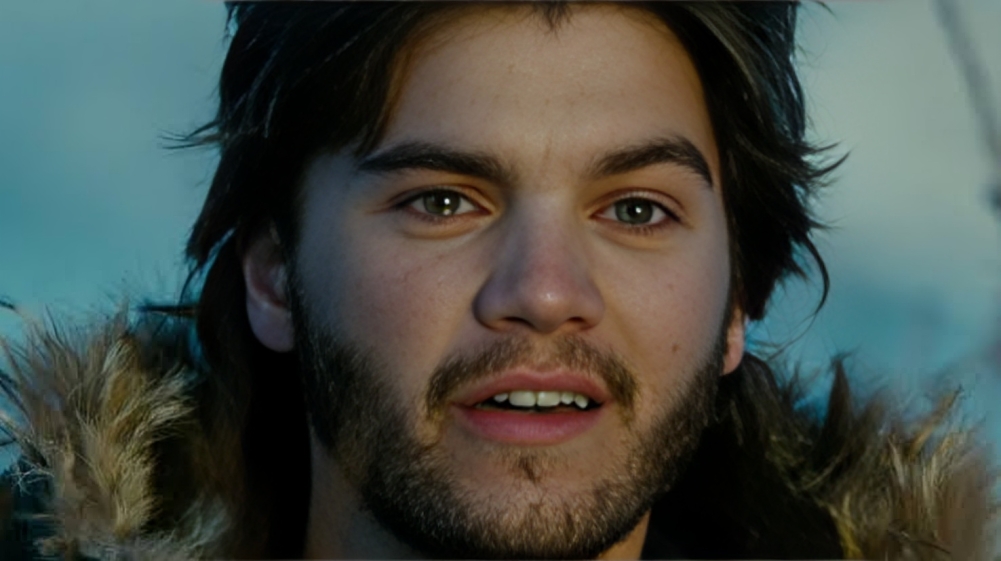
The movie depicts Chris’s childhood as unhappy, but it wasn’t until his sister published her book about their upbringing that the world learned how deeply troubled their family really was. Their father lived a double life, and Chris’s mother was his mistress, making Chris and his sister the children of that affair. Their parents were constantly fighting, and both Chris and his sister suffered physical abuse. They grew up in hell. That’s why, throughout the film, we can sense Chris’s deep resentment toward his parents.
I see his decision to cut off contact with them and set out on his journey to Alaska as an unconscious way of punishing them. Since Chris was their child, a product of them, he ended up sabotaging himself as a way to hurt his mother and father.
Growing up with everything materially provided for him left Chris with a profound sense of emptiness. He saw life as meaningless, viewed the rat race as a waste of time, and wanted to experience more than simply living the life society expected of him. We could call him rebellious, but his decision is understandable.
However, personally, I feel like he was torturing himself and trying to run away from his trauma. He hated his childhood and his family, so he ran. Along the way, whenever people showed him love, support, or gave him a sense of family, he ran away again. He couldn’t even say goodbye to them properly. Instead, he would quietly leave in the middle of the night, only for them to wake up the next morning and realize he was gone. To me, that’s a sign of cowardice. He never gave a proper goodbye to the people who loved him, just as he had cut off contact with his parents. Time and time again, he hurt the people who genuinely cared about him. He was incredibly selfish.
It wasn’t until the final days of his life, when he was completely isolated in the wilderness and slowly starving to death, that he realized true happiness comes from sharing life with other people, creating memories together, not running away from them. He saw himself as an idealist. He hated modern society, hated the ordinary life, hated the rat race. He wanted nothing more than to escape it all, and he placed absolute faith in his own beliefs and decisions. Only at the very end did he realize that his happiest moments had always been the ones he shared with other people. He was arrogant and foolish for pushing them away in the name of his ideals.
I see the main issue here as a lack of gratitude. Chris was a spoiled kid who grew up in a wealthy family, yet he became bored with the life he had. Seeing himself as an outsider, a philosopher, he became trapped in his own ego, living inside a bubble that ultimately led to his death. He was ungrateful for the life he had been given. He hated his parents and wasn’t happy to be alive. To me, that’s the root of the problem.

As a human being, simply having the chance to be here is already something to be grateful for. Your parents, no matter how flawed they are, gave you this life, this body, and the opportunity to experience the world. They may have abused you mentally or emotionally, but they still gave birth to you. Whether you like it or not, you owe them that much.
Chris, along with many other people, shared the same mindset: “I didn’t ask to be born.” To me, that’s missing the bigger picture. It’s not about whether you consciously chose to be born or not. The reason you’re here is because there are still lessons you need to learn, and karma you need to work through. In that sense, you’re fortunate that your parents gave you the opportunity to come into this world and complete those lessons. But instead of feeling gratitude, Chris and many people like him resent their parents, completely overlooking the fact that if it hadn’t been this family, they would still have been born into another one with similar lessons to learn. Your parents are simply the bridge that brought you into this life; they are not the true source of your suffering. In the end, it all begins with you.
There are many people who start life with far less than Chris. People who are born from affairs, who grow up without parents, without financial support, without the opportunity to attend college or see the world, yet somehow still manage to build meaningful lives. Instead of resenting life or the people who brought them into it, they pull themselves together and create positive change. They help others who face the same struggles overcome their challenges and live better lives.
Chris, on the other hand, carried resentment toward his parents until the very end. We don’t know what the real Chris was thinking before he died, but the film portrays him as finally wanting to return to his parents, finding peace in that thought. Only in his final moments did he forgive them, and learn the lesson life had been trying to teach him. Tragically, because he couldn’t overcome his resentment sooner, he ended up hurting not only himself, but also his family and everyone who loved him along the way.
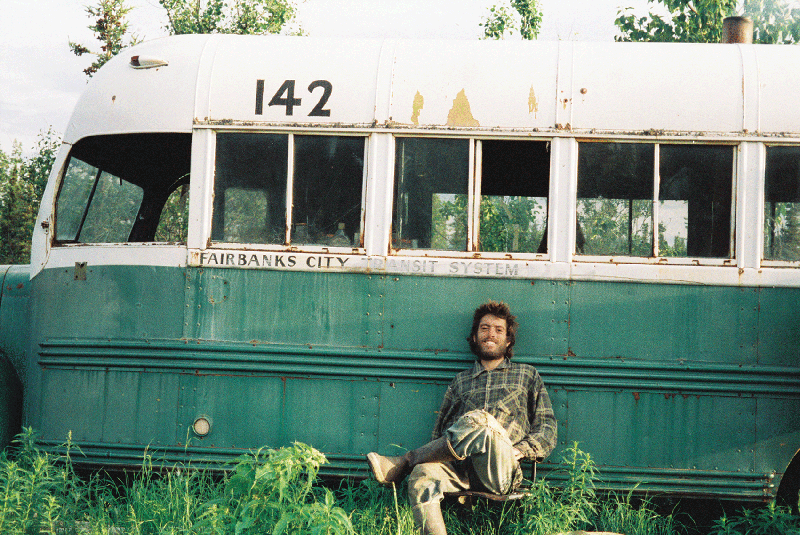
Chris is an inspiration, someone brave enough to live by his ideals.
On the other hand, many people find Chris’s story inspiring, because he was brave enough to leave everything behind and pursue the life he truly wanted. He followed his beliefs without intentionally hurting anyone. He simply wanted to live life to the fullest, and his journey happened to end in the wilderness. Some people even compare his journey to that of the Buddha, the prince who left his kingdom in search of enlightenment. The Buddha also nearly died of starvation on his path to Nirvana, but eventually returned and became someone revered by millions. The difference between the Buddha and Chris is that, Chris was never fortunate enough to come back. Had he survived, perhaps he too would have become someone people looked up to.
As a boy who grew up in an abusive household, it’s understandable that Chris struggled with receiving love and care from others. It’s also understandable that he became disillusioned with modern society and simply wanted to disappear into nature. He knew what he wanted, and he was brave enough to pursue it. Maybe, from the very beginning, his journey was a suicide mission, because deep down he had already lost the desire to live. Many people struggle with the same feelings, but the difference between Chris and most others is that, he was brave enough to actually pack his bags and leave.
However, this is my boyfriend’s opinion. No matter how hard I try to put aside my own bias and understand Chris’s choices, I just can’t resonate with them. People say he was only 24. He was young and didn’t yet have the maturity or wisdom to think differently. They also argue that he died because of unfortunate circumstances, not because of his recklessness. Of course, there are many factors that contributed to his story. But I still see his worldview as fundamentally ungrateful. He didn’t appreciate the chance to be here. He resented the people who brought him into this world, and in doing so, ended up hurting everyone who loved him along the way.
I also can’t embrace the idea that Chris was similar to the Buddha. Yes, they were both privileged. They both left behind a comfortable life in search of something, that most people would consider irrational or impossible. But the Buddha did it for humanity. He had no problem saying goodbye to the people who loved him, and he wasn’t a coward. He wasn’t running away, nor was he too arrogant to listen to others. The Buddha sought out teachers, and only after he had learned everything they could offer, did he continue on his own path. Chris, on the other hand, listened to no one but himself. He trusted his own beliefs blindly. At no point in the film do we see him genuinely seek other people’s opinions or guidance. No teachers, no mentors, no therapy. He comes across as someone who believes he already knows all the answers, and refuses to listen to anyone who tells him his dream is unrealistic.
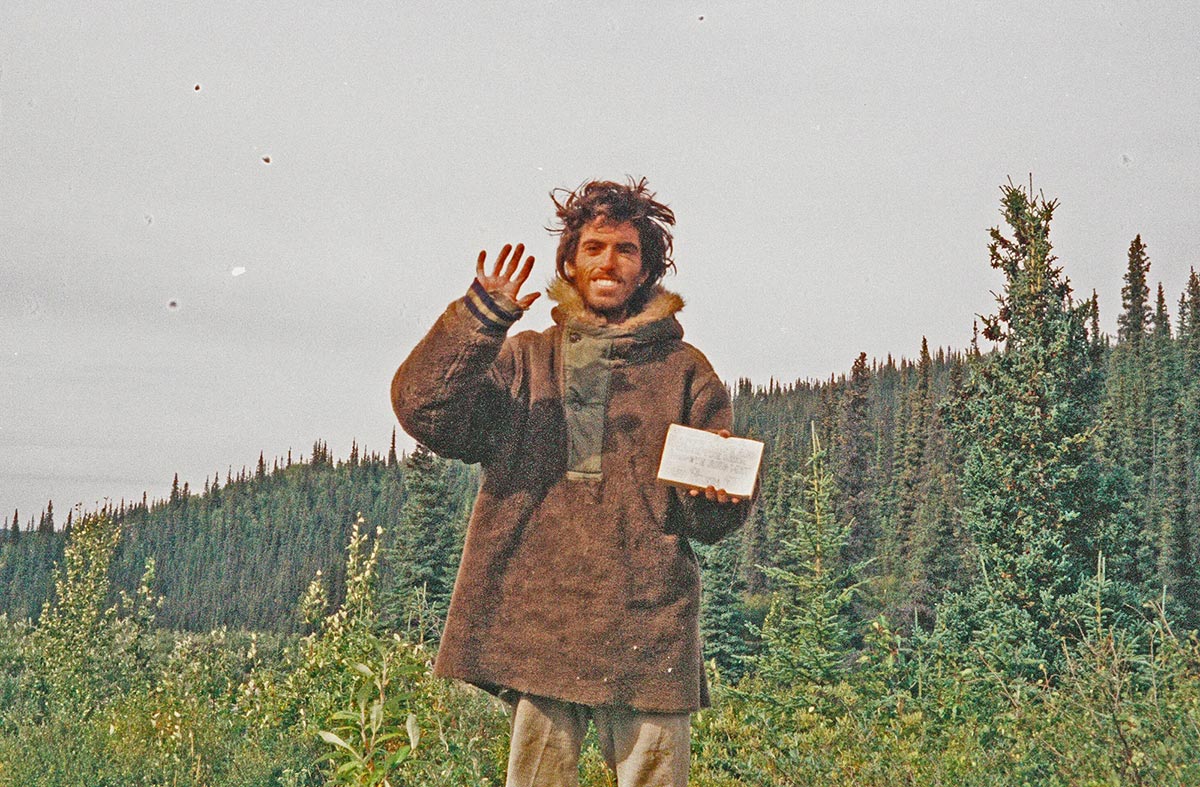
We shouldn’t judge someone too harshly after they’re gone. Almost everyone is immature and makes foolish decisions at the age of 24. Chris chose his own path, and in the end, he paid the price for it. What I struggle with is seeing people idolize him as a hero, because to me, the real Chris comes across as a deeply selfish person. Maybe I’m not open-minded enough to fully put myself in his shoes or understand his story. But for God’s sake, there are countless people who have endured far more difficult lives than he did, and they don’t end up destroying themselves. I don’t know. I just hope that, in the end, he truly learned the lesson the movie portrays. His final words suggest that he had lived a good life and hoped God would bless everyone. That sounds like the words of a kind man.
Maybe this story touches something unresolved within me, some wound or emotional trigger that keeps me from finding Chris’s journey inspiring. If there’s one lesson I take away from the film, it’s not that we should blindly follow our calling and throw everything away to live alone in the wilderness. Instead, I see it as a cautionary tale, a wake-up call for anyone who dreams of living the way Chris did.
However, it’s undeniable that Chris’s story inspires us to live better, cherish every moment we share with good friends, appreciate life more, and be grateful for what we have. In that sense, he is an inspiration. Chris himself may have been a fool, but his foolishness serves as a wake-up call, reminding us of the consequences of refusing to listen to anyone else. I believe that simply by living the life he chose, he fulfilled his own purpose. How we interpret his story depends entirely on our perspective. Chris wasn’t inherently right or wrong, he was simply a man living the life he wanted. So perhaps we shouldn’t become so polarized or argue endlessly over who was right.
Anyone can look at us and see either a fool or a hero, but that doesn’t change who we are. What other people think of us is their concern, not ours. I believe Chris wouldn’t care what we think about him, so why spend so much energy debating it? Form your own perspective, take whatever lesson resonates with you, and move on with your life. If you see him as a fool, learn from his mistakes and don’t repeat them. If you see him as a hero, learn from his courage and pursue the life you truly want.
In the end, who are we to tell other people how they should live? They have their own destiny, just as we have ours. Take whatever impact their story leaves on you, then keep moving forward. No matter how that story changes you, life goes on, and all we can do is continue living it. Everything else is already predestined.
No responses yet