
Have you ever said yes when someone asked you for help, but deep down you didn’t want to? Have you ever agreed to go to a party, only to wish it would be canceled at the last minute? What about a time when you were doing something and secretly mumbled to yourself that this would be the last time, “I’ll say no if this comes up again”?
We’ve all been there before. We’ve accepted offers we didn’t want, done favors for friends, helped because they’re family, said yes because we didn’t realize there was another option we could choose.
Being a person who can’t say no isn’t normal, it’s an illness. This isn’t just about doing someone a favor at the cost of your own time and energy. It’s a chronic condition. In the long run, it only gets worse, and one day everything blows up out of nowhere, without you even knowing exactly why.

When you say “yes” when you really don’t want to, that “no” doesn’t disappear. It gets suppressed inside you, like a word you have to swallow just to keep the peace. That hidden “no” may not show up on the surface, but on an energetic level, it’s already there. Even if you don’t say it out loud, your attitude and your actions will unconsciously reveal it. And that’s how tension slowly builds between you and the person you said yes to, even when neither of you understands what’s really happening.
I’m not fond of children, I don’t like them at all, and I don’t enjoy being around them. A few years ago, when I first met my boyfriend, I visited his home. He has two younger siblings, and honestly, I’d never met kids as spoiled as they were.
But it was my first time meeting them, so I didn’t show how I felt and tried to get along. His mother was a busy businesswoman, so she often didn’t have much time to be with her kids. Whenever we were in town, she would ask us, my boyfriend and me, to babysit them. At the time, I didn’t dare say no. I was afraid his mother wouldn’t like me, and maybe his siblings wouldn’t either, so I forced myself to do something I really didn’t want to do.
Looking back, I can see how miserable I was in that situation. Those kids drove me crazy, and I even took it out on my boyfriend. Even though I said yes to his mother, my attitude and my energy were saying no. So I unconsciously felt depressed, angry, and even aggressive toward the kids and my boyfriend, even though they hadn’t done anything wrong.
In that situation, I put everyone in a tense environment, which was harmful not only to my own mental health but also to the people around me.
I can think of so many similar situations, visiting relatives during the holidays, attending events I didn’t enjoy, going to reunions I had no desire for, meeting people I knew I’d probably never see again, eating food I didn’t like just so I wouldn’t disappoint the host, or helping my boyfriend’s mother even when I didn’t feel like it.
I didn’t want to do any of those things. They didn’t add anything to my life, and I couldn’t see the point of showing up. I would have much rather stayed home and minded my own business.
So why did I keep putting myself in these situations, places where I didn’t enjoy myself and only ended up feeling more frustrated with my life and the people around me?
Because I didn’t say “no.”
Such a short, simple word, but it had the power to change my life completely.

Your life might look different from mine, but the dilemma is pretty much the same. You might struggle to say “no” to your boss, your coworkers, or your friends. You might refuse something at first, only to let people push you into changing your mind, and honestly, that can be even worse than agreeing from the start.
When you let others convince you to go back on your answer, you send mixed signals. People stop taking your words seriously. They may start to see you as a pushover, believing it’s easy to make you change your mind, and, as hard as it is to accept, some might even begin to see you as a joke.
Why can’t we say “no”?
We can’t fix the problem without understanding its root. Trying to force yourself to say no without knowing where this tendency comes from is like taking a magic pill and hoping an unknown illness will disappear. This pattern didn’t just appear out of nowhere, it comes from somewhere: your family, your friends, or the society you grew up in.
The first reason you behave the way you do now often comes from your parents. Whether you realize it or not, your upbringing shapes you deeply, so deeply that it forms a big part of your character and identity. When you were a child, your parents were your whole world. You learned everything from them, both the good and the bad.
If your mom or dad was someone who couldn’t say no, someone who always gave in, you likely absorbed that behavior. Imagine growing up in a home where your mom constantly said yes to family events, where relatives came over and made themselves at home, where she silently put up with things she didn’t actually want. You saw it all, the forced smiles at gatherings, the tired looks, the complaints afterward.
All of that quietly taught you to say yes, even when you didn’t mean it. Because, in your mind, that was the only option, the only acceptable response.
Then there was your dad, complaining about a job he hated, an unfair boss, unreasonable coworkers… yet still going to work every day, only to vent whenever he got the chance. That, too, shaped you. It made you normalize doing things you don’t enjoy, simply because “that’s what everyone does.”
And without even realizing it, that pattern gets passed down, from one generation to the next.

Another way your parents and upbringing can be the reason you can’t say no is that you were forced to say yes. Parents sometimes do this consciously, trying to shape their child into the version they dream of. You didn’t want to play the piano, but you were afraid your mother would be sad if you skipped the lesson. You didn’t like talking to your aunt, whom you only met once a year, but your parents told you to behave. You attended family events, or you would be punished if you refused.
You learned to go against your own will in order to protect yourself. At the same time, you started to feel like people would only love you if you weren’t honest with them. Slowly, you began to believe that being fake was equal to being loved, that suppressing your truth meant you were safe. You carried that mentality as you grew up, until you forgot how to say no.
When you enter adulthood, this behavior can also come from society. Whenever you’re too direct and upfront about what you want, people seem surprised, and sometimes even dislike you for it. You start to see no benefit in being your authentic self, so you compromise.
This is where greed appears. You try burying your need for authenticity in order to gain something from the outside world. It could be money, we’ve normalized being fake in the workplace so much that people think it’s just part of the culture. It could be the desire for love, admiration, or attention. Many times, what we’re chasing isn’t even something physical, it’s a feeling, an emotion.
We want others to like us, so we say yes when they ask for help. We want to maintain a kind image, so we do things we don’t actually want to do. I could go on and on with examples, because deep down, the habit of saying “yes” often comes from that same place, wanting something from others, so we choose to compromise.
The consequence
You might say, “If I compromise and everyone is happy, why is that a problem?” But that’s not quite right, you’re only looking at it on the surface, thinking it just costs you a bit of time and energy. As I said before, that “no” doesn’t disappear. It gets suppressed, and eventually it resurfaces in another form, at another time.
In my case, when I agreed to babysit, that suppressed energy turned into angry outbursts toward my boyfriend and his siblings. In other situations, it can be much more complicated. When you bury your needs, your true self, you push them into the dark corners of your mind. You may not be aware of them anymore, but they’re still there, growing stronger every day.
Each time you ignore your true answer and choose to compromise, you push another piece of yourself into that dark space. And eventually, that space can’t hold it all anymore. That’s when the trigger happens. It might come out as sudden anger, unexpected tears, a raised voice, or a breakdown. You react in a way that doesn’t seem to match the situation.
People may think you’re impulsive or immature. But in reality, it’s your true self trying to be heard, after being pushed aside for far too long.
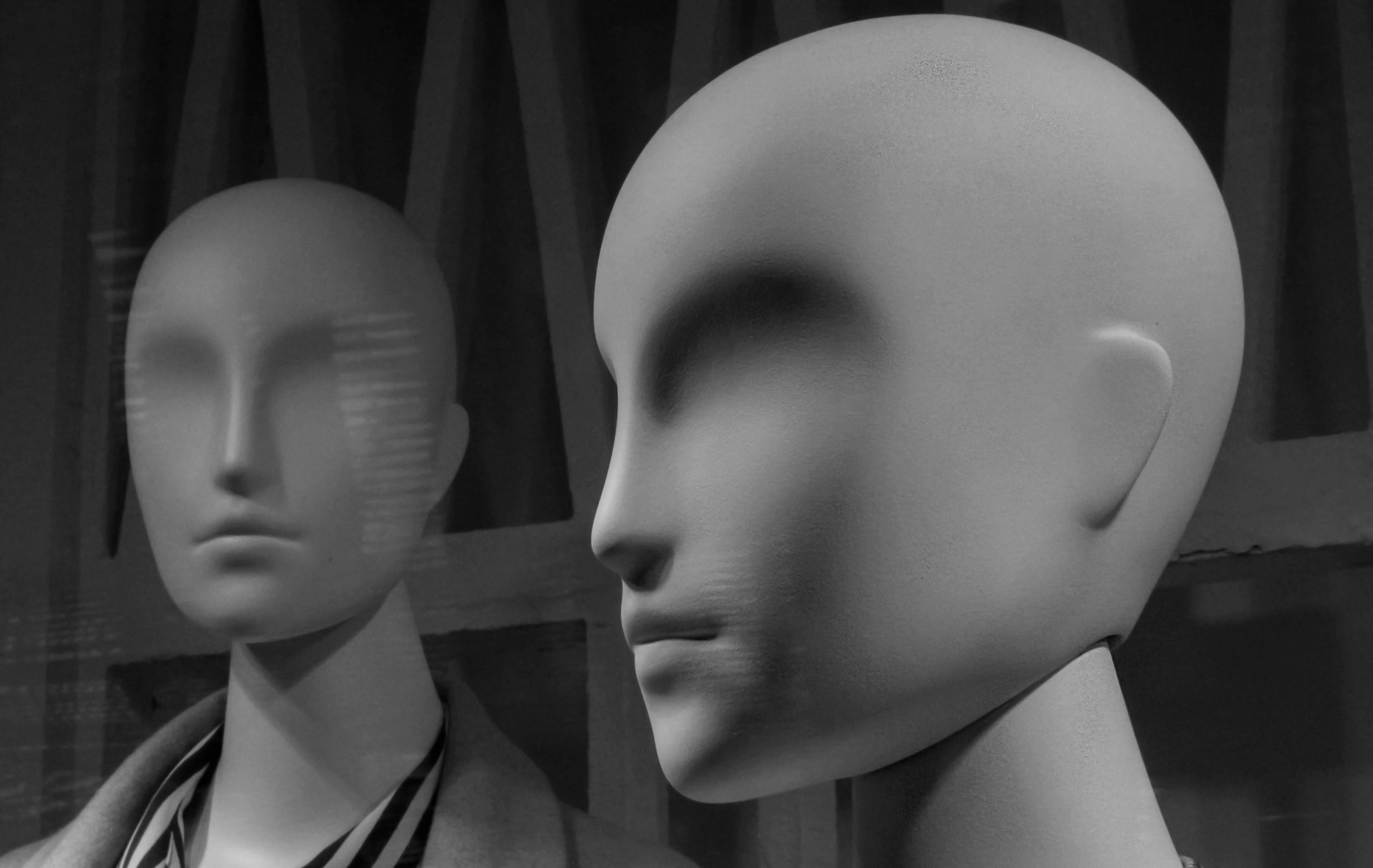
When you can’t say no, you deny a part of your authentic self and try to present a fake version just to make everyone happy. You’re being a coward. You don’t want to face the truth or have those difficult conversations where everyone has to be honest and sincere. You’re afraid they won’t love you anymore if you tell the truth.
You’re also being greedy. You want people to love you the same way, without having to swallow the truth of who you really are. You don’t want to risk what you have right now, so you choose to compromise.
And then there’s the iconic line: “Just one more time.” I’ll help them one more time. I’ll say no the next time they ask. I’ll have the conversation the next time this happens.
Let me tell you, that “next time” never comes.
It’s an illusion you create so you can feel better in the present moment. You push the discomfort into the future, but that future isn’t real. Your future is shaped by the decisions you make right now. If you don’t choose differently, your future will look exactly the same.
You’ll find yourself in the same situations again and again. And if you don’t face that uncomfortable decision, you’ll return to this moment of “just one more time” over and over. It becomes a loop, a trap you fall into.
If there’s something you need to do, do it now. Stand up for yourself now.
“I can’t break up with her, today is her birthday. I’ll do it next time.” You wait for the perfect moment to end the relationship, but that perfect moment never comes. Next time, she might get fired, someone in her family might pass away, her dog might get sick, her sister might be getting married. There’s always something. It’s never a perfect moment.
Whatever you need to say or do, do it now, so you can have peace of mind later. Decline the offer. Refuse to help. Tell them you’re busy. Face the uncomfortable decision, and be done with it.
How to say “no”
Now we’re talking about real solutions. Learning to say “no” isn’t about turning down every request, it’s about setting your boundaries and sticking to them.
To do that, you have to know who you are, what aligns with you and what doesn’t. This is serious work. It requires time, effort, and dedication. Knowing who you truly are is a lifelong journey. Only then can you clearly decide what you want and what you don’t want.
Don’t let your ego take over, the answer is in your heart. Deep down, you already know what feels right and what doesn’t.

Observation is a needed skill. Watch your mood and emotion, how it change after you say yes to something you don’t want. This is easy, because you always know. When something is not meant for you, the uncomfortable or angry feeling usually follow you during the whole time. You help someone, you feel irriated the whole process. You attend a party, you feel regret right after accepting the invitation. You’ll be hit with regret, and this is your cue. Next time, don’t waste your energy by saying yes. Just turn down the ask, and leave the opportunity for a suitable person.
Another thing I want to clarify, so many times, we tell ourselves we’re helping people. We think that if we don’t help, they’ll be in trouble. That only works out well if you genuinely, wholeheartedly want to help. Otherwise, when you act with suppressed anger or regret, people can sense that energy.
If this is related to work, that negative energy will show up in the results. Whatever you do or create carries that energy, and the outcome won’t be as good as when someone does it with real passion.
When you say no, you actually create an opportunity for someone else, someone more suitable, to step in. Even if you believe the person asking has no other option and that you’re the only one who can help, it still doesn’t mean it’s your responsibility. Helping with suppressed anger often means you’re stepping into something that isn’t truly yours to carry, and that person may have other solutions they haven’t considered yet.
By always stepping in, you might even block their chance to become more resourceful and creative in their own life and work. There is always another way.
And if you can’t manage your own emotions or mood, it’s better to pause before helping others, because you may end up making things worse. People are more capable than we think. Sometimes, the best thing you can do is step back and let them figure it out.
When you truly know yourself, when you take the time to observe and recognize what and who is draining your energy, that’s when it’s time to say no. Remember, “no,” “I don’t want to,” “I don’t feel like it”, these are complete sentences on their own. If you want, you can add a simple, honest explanation. But if the other person keeps pushing, stop engaging and move on. Never overexplain yourself, because it lowers your image and your standards. If they can’t accept “no” as an answer, that’s their problem.

This is something you commit to over time, it’s not a one-time thing. Like any skill, it takes practice. Knowing your standards and boundaries is step one, but sticking to them is a long process. You’ll fail, you’ll get back up, and you’ll try again. There will be moments when you doubt yourself, when that “just one more time” shows up, and afterward, you feel regret. Don’t punish yourself for what you should or shouldn’t have done. Just move forward, and you’ll do better next time.
Guilt is another big emotion you’ll experience during this process. When you’re used to helping people, saying no can feel like you’ve committed a crime. Guilt is one of the biggest things that holds people back from freeing themselves. Others may even use it to manipulate you, making you feel like a bad person for turning them down.
But no, you’ve done nothing wrong. Saying no to something you don’t want is completely normal, and you should be proud of yourself for doing it. Many people are so afraid of hurting others that they end up hurting themselves by doing things they hate. Don’t be like that. Stand in your truth. Know what resonates with you and what doesn’t, you’ll be fine.
When you start setting boundaries, some people will distance themselves. These are often the ones who were taking advantage of you, people who only valued you when you were being helpful. That’s not real love, not a real relationship. If someone tries to guilt-trip you or pulls away because you’ve changed, let them go. Let them find someone else to rely on.
The real version of you and them were never aligned to begin with. You can grieve that relationship, and that’s okay. But remember, people who truly appreciate the real you will come into your life. And those relationships will feel far more fulfilling and peaceful.
“When you say yes to something, you say no to something else.” This quote is true on so many levels. We only have a limited amount of time and energy in life, do you want to spend it mindfully with the people you love, doing work you’re passionate about, or doing things you resent, around people you have to pretend with?
Life is too short to be someone you’re not. Why not step into your authentic self and live in alignment with what truly matters to you? There’s nothing wrong with being a pushover or feeling lost, we’ve all been there. But once you know better, you have to do better.
It’s time for a change. When you say no to what doesn’t feel right, you create space for what truly resonates with you. You’ll start to see new people, new opportunities knocking on your door, and a new life waiting for you.
Comments are closed