
Anyone who comes to the healing phase, or begins a spiritual journey, is first introduced to meditation. This practice stems from Buddhism, particularly a branch called Zen Buddhism. People who follow this path use meditation as the primary way to achieve Nirvana, the highest state a person can reach in this life, which means returning to oneness, free from the struggles and pain of existence. In Hinduism, meditation is one of four paths to realizing your Atman, the ultimate reality. No matter where you first encounter this practice, it traces back to these traditions, with the shared purpose of enlightenment, complete freedom from suffering.
We are not monks or yogis, but we can practice meditation to elevate our awareness, allowing us to see life more clearly and break free from our traumas, karmic patterns, unresolved emotions, and more. People often talk about the benefits of meditation and how to do it “the right way,” but have you ever asked yourself how meditation can truly help you if you’re just sitting there doing nothing?
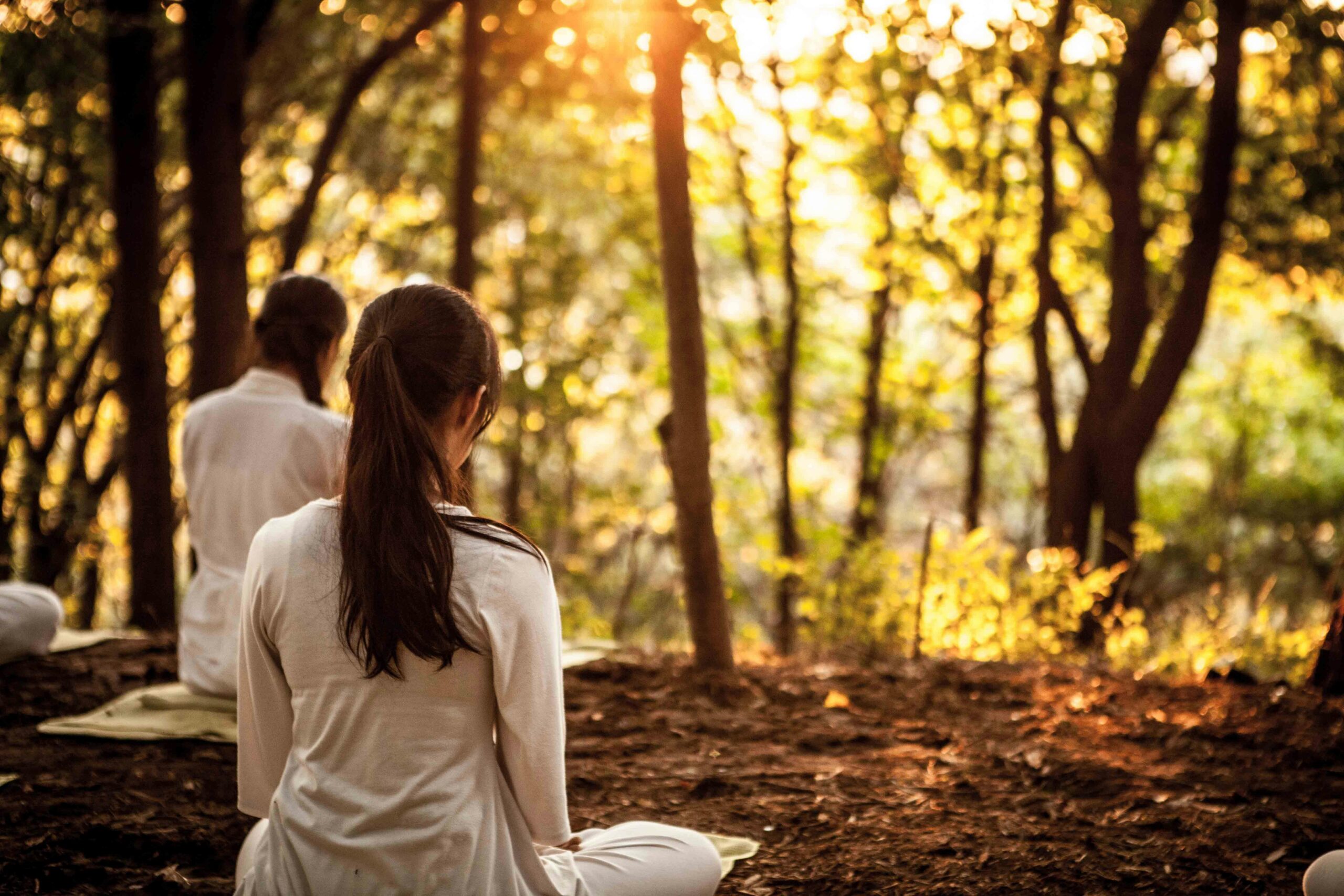
This was a big question I asked myself before I started meditating, of course, there was hesitation. When I first developed an awareness through meditation, I began to notice my thoughts arising, my emotions coming and going, and I could observe my body’s reactions throughout the process. As I went deeper, I could feel energy moving within me, especially as my chakras seemed to come into balance. I sensed no blockages in my body, everything flowed easily and rose to the top of my head. It felt like a breeze passing through me, through every cell, organ, and layer of skin. In that moment, I felt on top of the world, as if my spiritual mission were complete and everything would be okay.
However, when I opened my eyes, everything was the same. I was still at my uncle’s place, where I had been staying for a few weeks before getting back on my feet. The room hadn’t changed. I had no job, no money in my bank account, and it felt like nothing had changed at all. It was still me, with all my problems, as if nothing had shifted.
Meditation is a practice that helps you calm your mind. When you’re a beginner, your role is to observe your thoughts—notice when they arise and try not to chase them. If you catch your mind wandering, you bring it back to your breath, back to the state of observing. As you become more familiar with meditation, you slowly realize that you can’t stop your thoughts or your emotions, you can only observe them and detach from them. Thoughts are natural; they’re like clouds, coming and going in all shapes, but your mind is the sky, it’s always there. Meditation helps you return to your true mind, your true self, the one beneath all thinking and emotion, the one that observes everything. By doing this, you begin to see your thoughts clearly and let them pass without engaging. You no longer allow them to interfere with your decisions. This is the game changer.
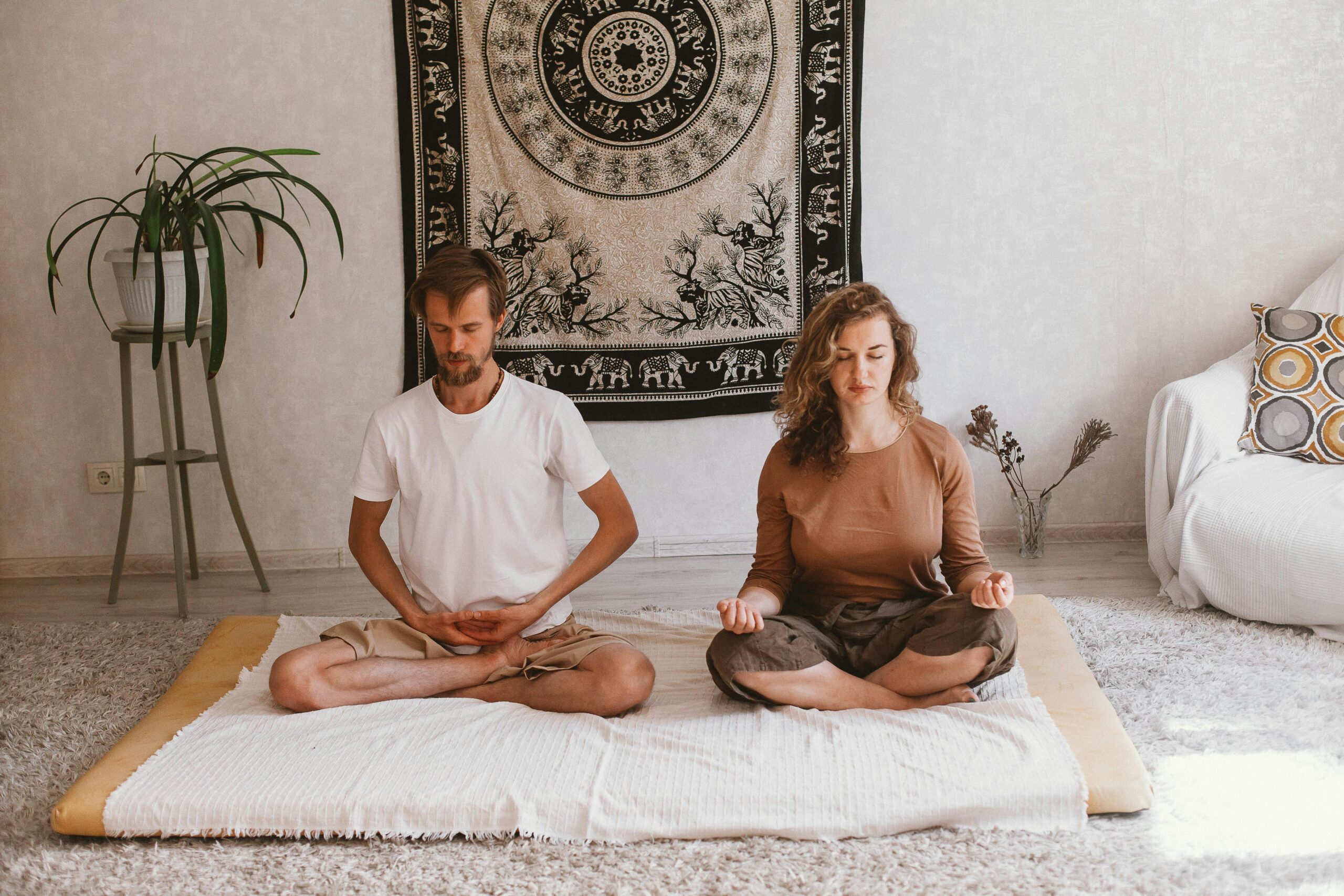
When you detach yourself from your thoughts and emotions, you begin to see the world for what it is. You see people for who they truly are, not the version you hope them to be. Most of the time, we let our ego shape our reality through the stories we tell ourselves, through judgment and bias. Detaching from your ego means seeing the truth clearly. You start to notice the obvious red flags in a toxic relationship. You recognize the excuses you’ve been making to procrastinate on what needs to be done. You see your karmic patterns so clearly that repeating the same mistake would feel almost absurd, as if you were choosing to sabotage yourself instead of change.
At that point, the world seems to be shouting every answer you need to solve the puzzle of life, and you find yourself at a crossroads where you have to make a decision.
When I first experienced the magic of meditation, I thought everything would change for the better right away. However, nothing happened until I took action. In a meditative state, I felt like I could make any of my dreams come true, I could be anyone, go anywhere I wanted. But none of that could become my reality if I didn’t act. Seeing the vision and feeling it is one thing, but actually making it happen is a different story. Just like when I opened my eyes and saw the room at my uncle’s place, I knew I had to do something to pull myself out of that situation. That was when I started learning tarot and astrology and launched my first YouTube channel. Everything was hard, I struggled, I failed, I got back up, and I kept going until the vision I saw in meditation became my reality. That’s when my physical world finally aligned with what I had felt during meditation.
Meditation alone can’t help you, it’s your actions that matter. We live in a physical world, so to see any real change, you need to take physical action. There’s no way you can just sit in your room, meditate, and expect opportunities to fall from the sky, it doesn’t work like that. Change only happens when you do something, when you make a move, when you begin that project you’ve always dreamed of. Meditation helps clear your doubts and imposter thoughts; it helps you see your obstacles. But you have to be the one who stands up, lifts those obstacles, goes around them, or breaks through them, and keeps moving forward. You need to take action.
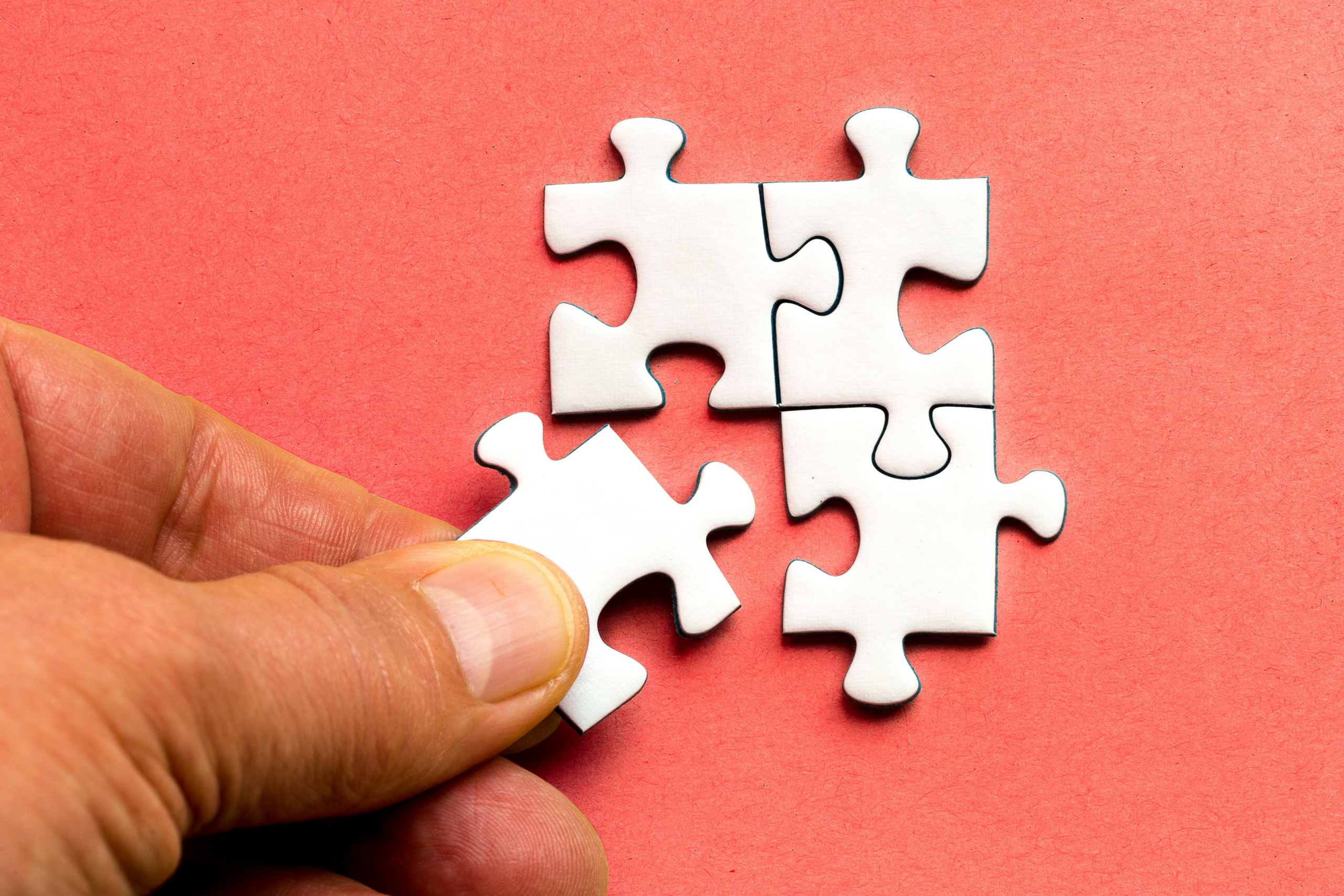
Meditation provides you with the answers you need; however, it’s up to you to solve your own puzzle. If you only meditate, nothing changes. A friend asked me the same question a few years ago when she first began her spiritual journey. She told me she was doing everything right, she could now see her problems, that she was a pushover, that she couldn’t say no to people, that she let her relatives take advantage of her, that she allowed them to bully her all this time, but why did she still feel miserable in her life? Why did no one respect her the way she wanted? I asked her, “You see people disrespecting you, why didn’t you stand up for yourself? Why didn’t you say no? Why didn’t you tell people to stop making jokes about you? You know all of this, why didn’t you do something to change your reality?” That was the moment she started to change, and from there, her life began to shift. None of this would have happened if she had only meditated without taking action.
I once knew a guy who was a passionate meditation practitioner. He did nothing but meditate all day, except when he needed to eat, go to the bathroom, or sleep. His wife was the one who did everything in the house. She went to work, raised the kids, cooked, cleaned, and served him his food, and all he did was meditate. He put the weight of responsibility on his wife’s shoulders, detached himself from reality, and thought he was doing something extraordinary, that he was above average people. In truth, he was irresponsible. He didn’t help his wife; he was a burden rather than anything admirable. But in his mind, he saw himself as too advanced, too awakened for the normal world. He is an example of how misguided your life can become if you focus too much on meditation and neglect your reality. Life is not meant to be escaped. You need to face it bravely to complete its lessons.
Just like a drug, when you’re under its effects, you feel good, you don’t have to deal with your problems anymore, even if it’s only for a few hours. The same can happen with meditation. When you abuse this practice, when you use it as a way to escape your life, you’re setting yourself up for trouble. Your ego can trick you into thinking that you’re doing something useful, something better than what most people are doing. You can become addicted to that feeling, to the point where you’d rather escape into that state than live in your real world.
Unless you are a monk or a yogi, someone with no obligations in the physical world, devoted to a single path toward the divine, then meditating all day might make sense. Otherwise, if you have a family, if people depend on you, if you still have dreams in this life, physical goals, then your lessons are still here, and you need to complete them. Fulfill your responsibilities. Be a good son, a good daughter, a good employee. At the very least, complete your tasks before reaching for higher ones. Do not use meditation as escapism. If you have problems in your life, dreams, pain, trauma, go back to your reality and face them. This is the only way. Meditation may give you the key, but you still have to use it to unlock the door.

Like my friend in the story above, when you meditate, you begin to see your thoughts, your emotions, and your life clearly. You see your problems now, and it’s time to make a decision. If it’s something you can change, you change it. If it’s something beyond your control, you accept it and move on. This is the only way to change your life and move toward the vision you’ve always wanted. This physical world requires physical action, if you don’t act, everything stays the same. You might even feel more miserable than before you started meditating, because when you were ignorant, suffering felt like a vague condition. But now you see things clearly, you understand the reasons. If you allow things to stay the same, it becomes unbearable, because you are now consciously choosing your suffering.
I keep emphasizing action because you need physical effort to create movement. However, meditation does help on an energetic level. By clearing your mind, you receive a vision of who you truly are. This is how you plant a seed in your mind, and how you begin to influence the web of energy in the universe. From there, the actions you take start to feel more aligned. You will still struggle, you will still fail, and you will feel uncomfortable. If something needs to go, you let it go, you let that person go, and the sadness, the grieving process, still happens. You can’t escape the challenges; they are still there. But now you have more strength, more faith to move forward and pursue your dreams. And somehow, the whole process begins to feel like a flow. When you look back, it all seems easier than it felt at the time. You just had to get up and do the work.
In the book The Alchemist, there is a quote: “When you want something, all the universe conspires to help you achieve it.” This is what it looks like when you’ve done your part on the energetic level. Meditation helps you clear your inner garden, so you can plant a seed and nurture it until it blooms into your reality. It takes time, action, and consistency to grow that seed and bring your vision to life. Meditation provides strength, because in that state, God can speak to you, send you love, and give you the power to keep going. By engaging with life, you experience the best of both worlds, the inner world of the soul, spirit, and universal energy during meditation, and the physical world where you bring things into form using the power you’ve drawn from within. This is the balance of life. Don’t run away, life is happening right now.
David R. Hawkins, the author of Power vs. Force, wrote in his book that he no longer meditates, because it pulls him into a euphoric state where, if he indulges in it too much, nothing gets done in his reality. If you’re familiar with sitting meditation, it may be time to elevate your practice. Traditional meditation is passive, you sit in a quiet place and calm your mind. You use the stillness of your body and surroundings as a bridge to the stillness of your mind. In that state, you do nothing, and gradually, your mind does the same. This method is especially helpful for beginners, when the “monkey mind” is still unruly. However, as you grow, you can explore another form of meditation, the active kind. Instead of relying on external stillness to reach inner calm, you remain in motion while keeping your mind still. This is much more difficult, since the world around us is constantly moving. Learning to steady your mind while fully engaged with life can seem almost impossible.
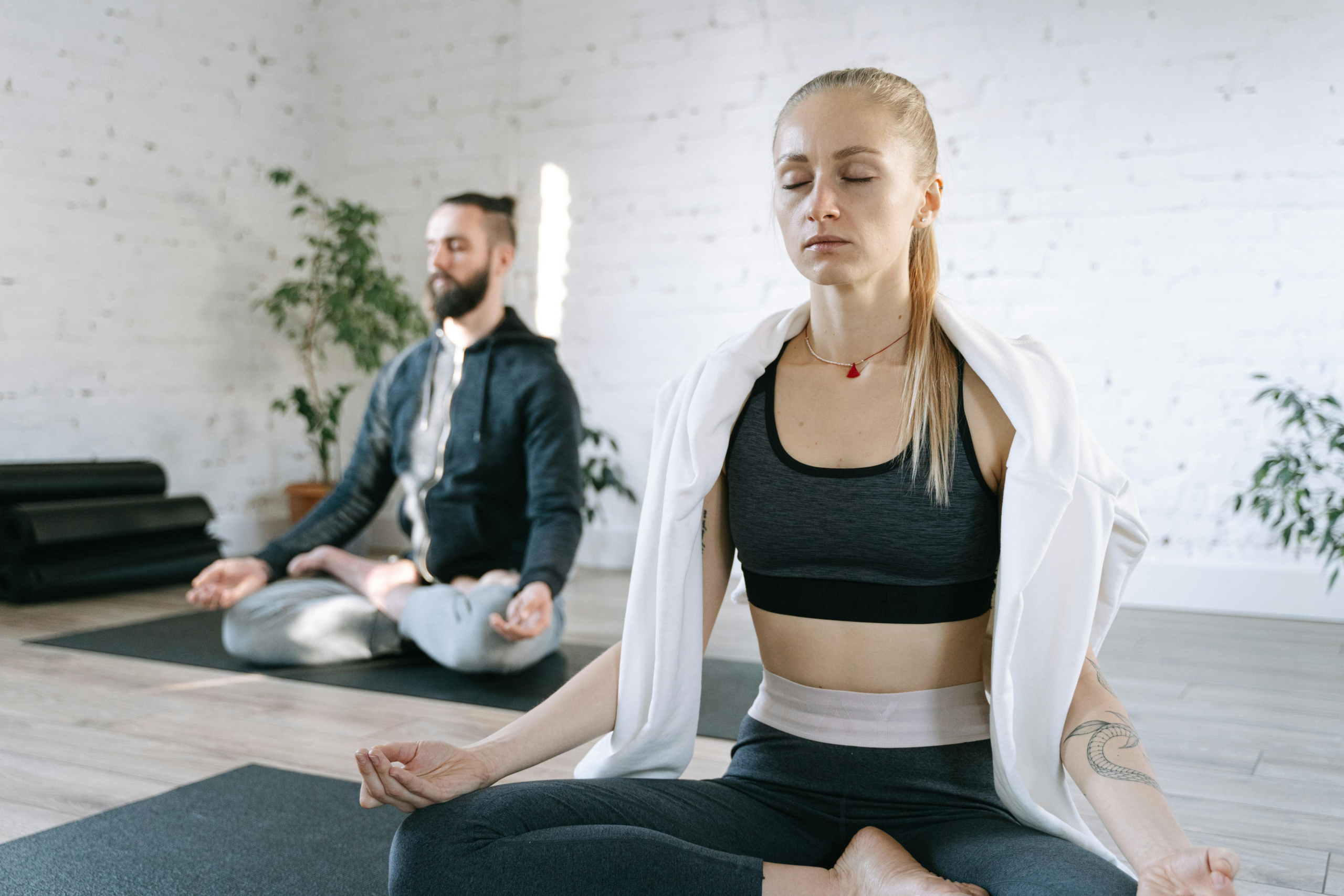
When you sit in your room, even the sound of rain or a car honking can irritate you as it pulls you out of your meditative state. If you have a pet, they might place a paw on you, trying to get your attention. Or maybe your neighbor starts cooking, and the smell of their food finds its way to you. In passive meditation, even small disturbances can throw you off.
Now imagine a normal day, when you have to work and interact with the world. There are countless distractions, people talking, laughing, glancing around, making noise, and the scene in front of you is constantly changing. Any small movement can hook your attention and pull it away, like walking a restless pet. Active meditation means living your everyday life in a meditative state. Even as the world keeps moving, you remain still within. You notice your thoughts and emotions as they arise, but you don’t let them interfere with your actions.
This is extremely difficult, because we are easily distracted by everything happening around us. In a meeting, even the subtle movements of others can pull you out of your center. People can influence you through their tone, their words, their body language. But if you can practice active meditation, you become untouchable. You see the truth in any situation, no one can easily mislead you, because you can see through everything.
At this level, passive meditation can seem like a waste of time, you sit there for an hour doing absolutely nothing. With active meditation, you can be in that same state while still moving and making things happen. This is what we should strive for: to move through every moment of our lives with calm awareness, observing our minds and softening the grip of the ego. When you speak with others, you speak from a place deep within, not just from thought. When you work, you work from the heart. Everything is touched by your soul, and that is what enlightenment means. You don’t escape life; you engage with it consciously and live it fully.
Meditation is a tool, not a destination. You use it to experience a state of deep connection, and then you bring that state into your reality. The purpose of life is the present moment, you merge with it without resistance. You watch life unfold in front of you, and you’re in awe of it. That’s what it means to truly win this game.
Comments are closed