
I know this opinion may seem controversial, since having kids is often seen as one of the greatest blessings we can have in this lifetime. As a human, how could I even say something like that? But bear with me, I’m not writing this article to argue that being childfree is the way to save the Earth. It’s more complicated than that.
We are a type of animal, and just like any other animal on this planet, giving birth to another human being is one of the most magical things we can experience. Even now, we still don’t fully understand how a sperm and an egg inside the mother’s uterus can slowly grow into a living body, forming cells, developing biologically, and somehow gaining consciousness at some point, eventually becoming a fully functional human being. The whole process still remains a mystery to us, so we often accept it as a gift from God.
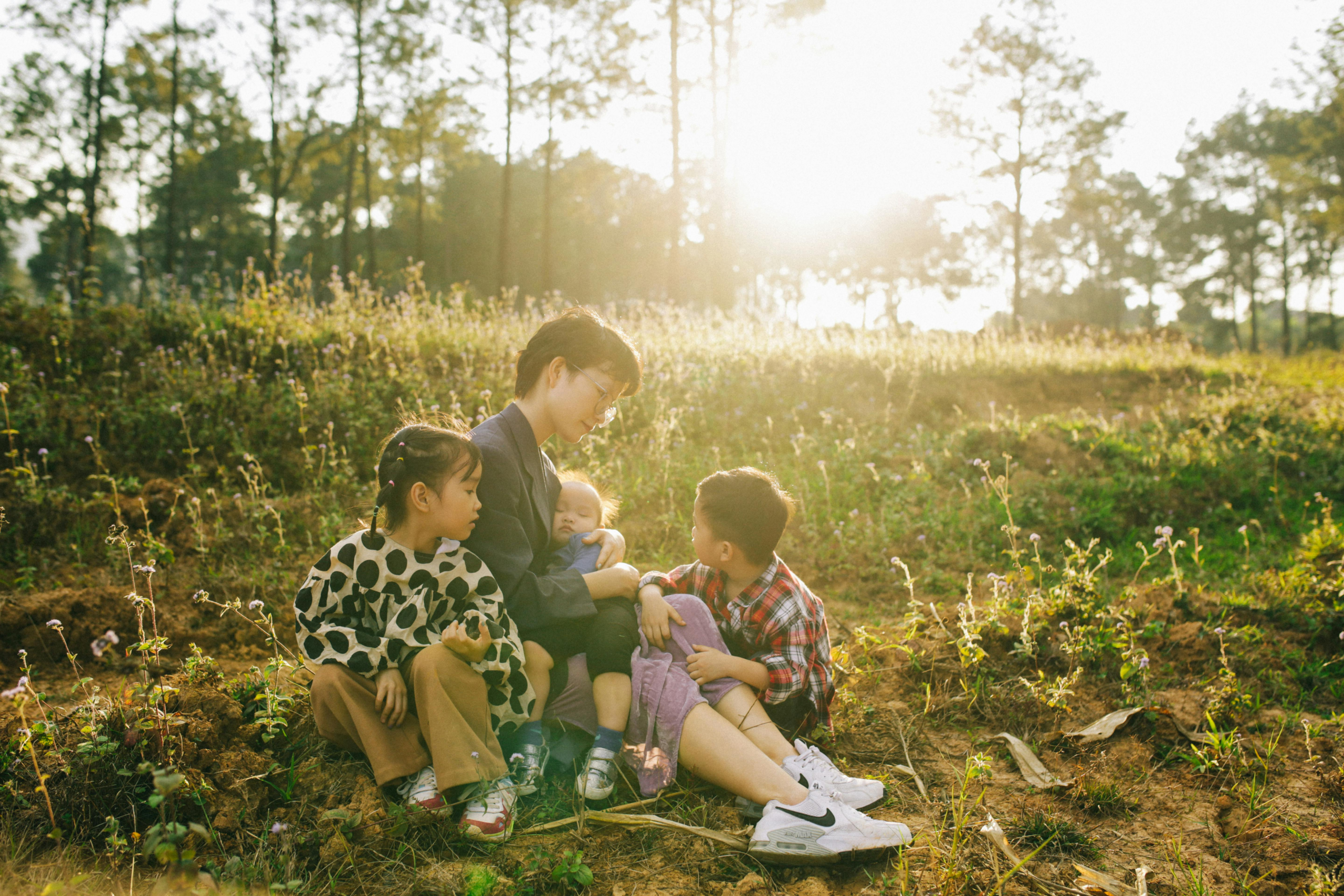
Maybe because of that mysterious connection, the relationship we have with our biological child feels like the most special, overwhelming, and almost heavenly experience we can have on Earth. You may never love anyone as much as your firstborn. It can feel like you’ve never truly experienced love before, until a tiny human comes into your life and teaches you how to love completely, wholeheartedly, unconditionally.
You begin to learn what it means to sacrifice everything you have for another human being: your health, your time, your energy, your money… This might be the first time you understand what true love really is, as if they’ve become your whole life’s purpose. You love them so deeply that you feel like you could even die for them. Am I right?
A little note to the childfree folks out there: do not feel like you’re missing out on this divine love. We can experience it in other forms, and the process will feel the same, we’ll talk about it later.
As simple human beings, we all want good things to happen to us. And because our children are the closest connection we have here, we naturally want good things for them. We see them as our future, and whatever we don’t have, our children must have; whatever we believe is good, we want it for them.
That mentality alone can create a kind of greed. It’s no longer just about having enough for ourselves, now we feel the need to have more for our children as well. Speaking from my own perspective, if I lived by myself without any dependents, I would probably only need a million dollars, a cozy house with my cat, and a car to drive around. However, if I had children, it would be a different story. They must go to university, they must have a good future, they must have everything prepared for them, and that’s when the tendency to hoard begins.
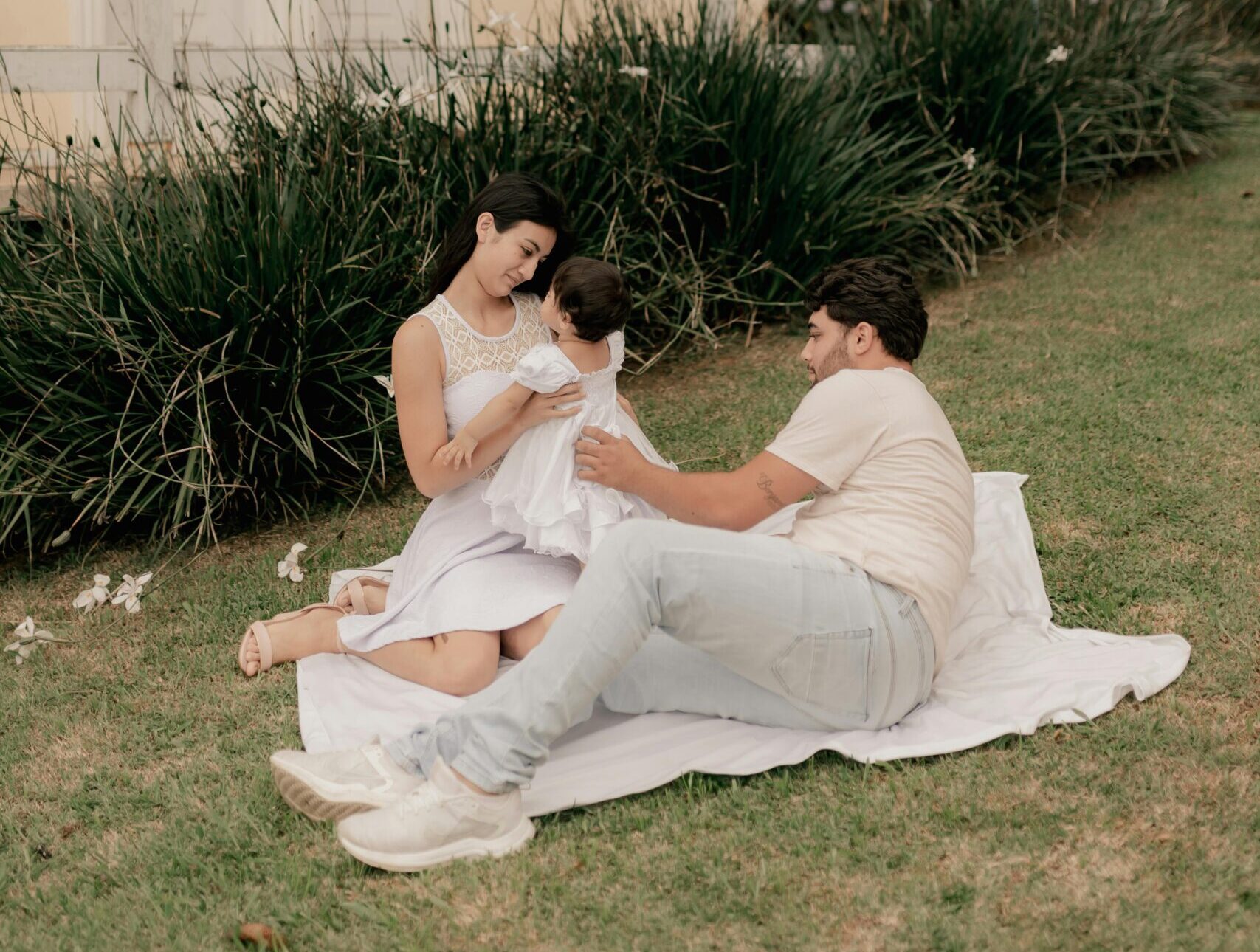
In my family, we once had a conflict between siblings over the house my dad left behind. At that time, I thought, “Why do I need that house? I don’t even live in that city, and it’s not that valuable.” But my step-sister and my mom were fiercely competing over it. “I’ll die anyway, but I’m fighting for you. I want that house for you, so you’ll have something,” my mom told me.
Even now, I still don’t need that house. It’s still there, and the relationship between my mom and my sister is much better now, by the way. I’m sharing this story to show how easily we can become greedy when it comes to our children’s well-being. I believe that if I had a child, I might act differently too. We don’t mean to hoard, and we don’t do it for ourselves, we do it in the name of love for our children.
There’s nothing wrong with wanting the best for your kids, in fact, it’s beautiful, because we’re loving someone more than ourselves. However, if we harm others in the process of creating a better future for our children, they will be the ones who pay for it.
Since we give our children so much of our resources, and pour our heart and soul into bringing them into the world and raising them, we tend to unconsciously believe they are a part of us, and we want only the best for them. Children often carry our deepest dreams, because they grow up with us, and their livelihood is derived from us. So the way we behave, the way we think, and the way we make money all affect them.
In Buddhism, this can be understood as our children inheriting our karma in this lifetime, continuing to experience the effects of what we have done. That karma can be good or bad, but there is no way for our children to completely escape the fate of being connected to us.
With that being said, we all want the best for our children, and we try to give them the best we can, based on our current understanding of the world, our level of consciousness, and everything is then passed on to them.
Coming back to our first question: Can having children make us greedier? It depends. Our kids don’t make us greedier. they simply magnify who we are. If you work hard at a job you enjoy and earn money in an honest and legitimate way, you’ll pass that on to your children. Having a child can give you the motivation to work harder and improve yourself in a healthy way. It can even become the catalyst that pushes you to reach your full potential.
In that case, your children will learn the value of hard work and respect for money from you, and that’s how they enter life with good karma. On the other hand, if you hurt others to make a living, if you scam people, sell things that aren’t worth the price, or create products that harm their bodies and minds, then when your children come into your life, you may end up harming even more people in the name of giving them a better future.

Your children may inherit those patterns from you. They might continue harming others to make money, and that’s how a person can be born into difficult karma. Sooner or later, someone will have to face the consequences, whether it’s them, or even the next generation.
There is a pattern in many religions: after taking vows on the path to God or enlightenment, you are often expected to remain childless. One reason for this, I believe, is to prevent the attachment we might develop toward our children, and the urge to accumulate material possessions for their future. A monk, priest, or guru without children is more likely to love everyone as their own, to love people equally, and to act for the well-being of the whole community, the whole society. In that state, acts of charity can be truly selfless, and every action or teaching is more aligned, more guided.
We don’t need to become monks or yogis to follow a path guided by something higher. Instead of learning unconditional love only through having a child, you can begin to cultivate it within yourself. You can start by loving every child as if they were your own, caring for them, protecting them, and helping create a safer world for them. From there, you can expand that love to all beings, treating every creature, animal or plant, with respect. You choose not to harm anyone or anything, as if you were protecting your own child. You become willing to help in any situation, as if every being were someone you love, an extension of yourself.
That practice alone can open your heart in a profound way. And in that openness, you may begin to experience the same depth of feeling many parents know, the quiet, powerful presence of unconditional love.
Bringing a human being into this world is a big deal, a very big deal. So I hope anyone thinking about it takes the time to figure their life out to a certain extent before making that decision. Figuring life out means you feel at ease with your life, you feel calm and happy most of the time (because being happy all the time is, of course, impossible), and you understand the impermanence of life. Everything comes and goes, but you’re still here, and you’re okay.
Then, children become a blessing in your life, and this life also becomes a blessing for them. They will still suffer, of course, but that suffering is part of life; it’s what makes life beautiful and meaningful.
Comments are closed